
Passions
Outside the office.
A history buff, into video games and computers, and a snowboarder in winter. Here’s what lights me up when I’m not talking real estate.
History
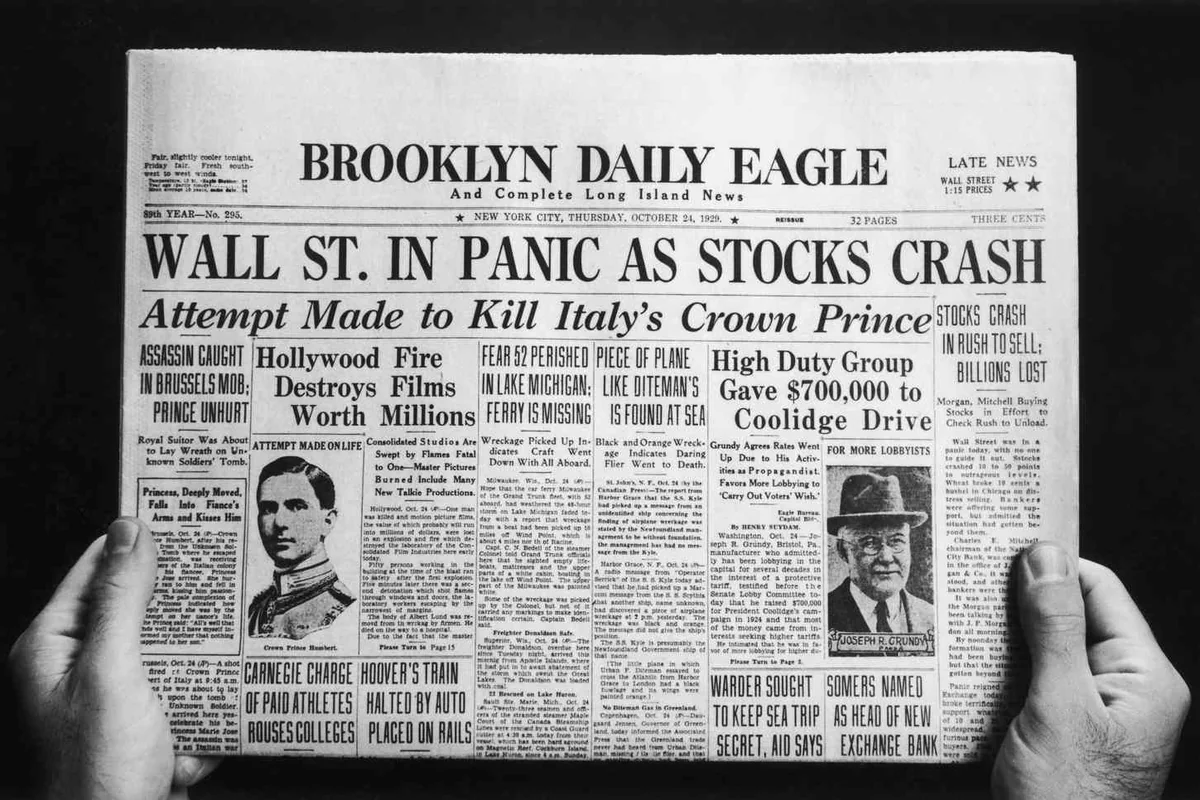
The 1929 crash: when the world turned upside down.
📚 My recommendations
- Book
- The Grapes of Wrath — John Steinbeck (1939)A landmark novel about the human toll of the Great Depression, told through one American family.
- Documentary
- The Great Depression (1993)A documentary series that helps you better understand the events and consequences of the period.
Why this era fascinates me
I’ve always been fascinated by the great periods of history that completely changed the way we live. And among them, the economic crisis of 1929 holds a special place.
Just imagine: the Roaring Twenties, a booming economy, people pouring money into the stock market and feeling as if prosperity would never end. Then, in a matter of days, everything collapses.
The stock market crash of October 1929 marks the start of an economic crisis that would upend the daily lives of millions of people. Banks close, businesses disappear, families lose their savings and unemployment reaches unprecedented levels.
What fascinates me most is understanding how an entire society can go from euphoria to catastrophe. How economic decisions, human psychology and collective confidence can lead to such far-reaching consequences.
And above all, how this crisis transformed our world and shaped the political and economic decisions we still make today.
History
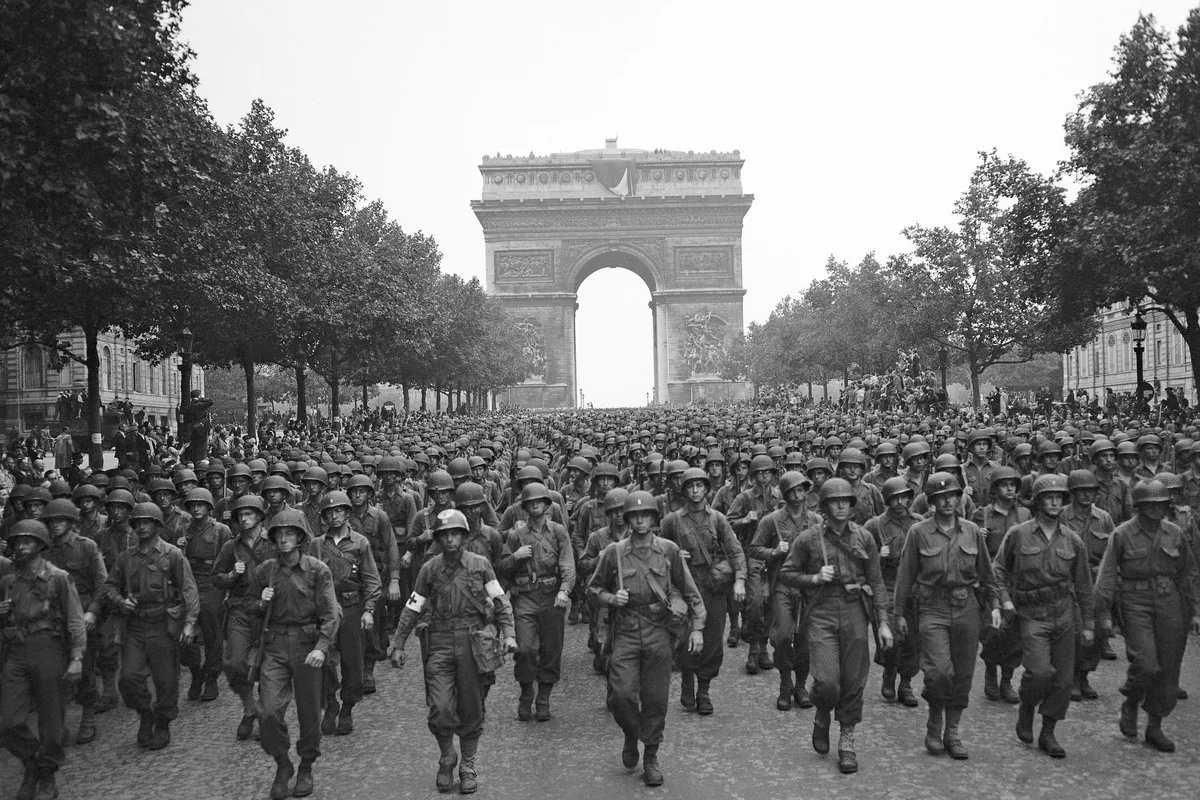
World War II: six years that changed the world.
Why this era fascinates me
World War II is probably one of the periods of history that fascinates me most. Not just for the battles or the grand military strategies, but above all for everything that led to the conflict and the consequences it had on the world.
What fascinates me is understanding how, barely 20 years after World War I, humanity could find itself plunged into an even more devastating conflict.
The rise of Nazism, political decisions, alliances between countries, technological advances and military strategies: each event seems to have shaped the next.
And then there are all the human stories. Millions of people whose lives were turned upside down, incredible acts of courage, resistance fighters who risked their lives, and decisions made by a handful of leaders that changed the fate of entire nations.
What strikes me most is realizing how much certain decisions, sometimes made in a matter of hours, could change the course of history.
I like understanding why events happened, the strategies behind the great military operations and, above all, how today’s world was shaped by this period.
Because in the end, understanding World War II also means better understanding the world we live in.
📚 My recommendations
- Book
- The Second World War — Antony Beevor (2012)A gripping book that traces the conflict on a global scale, on the military side as much as the human side.
- Documentary
- Apocalypse: The Second World War (2009)An exceptional documentary series made of restored and colourized archival footage that lets you relive the conflict’s major events.
- Podcast
- Au cœur de l’Histoire — Europe 1Many episodes (in French) devoted to the major figures, battles and defining events of World War II.
History
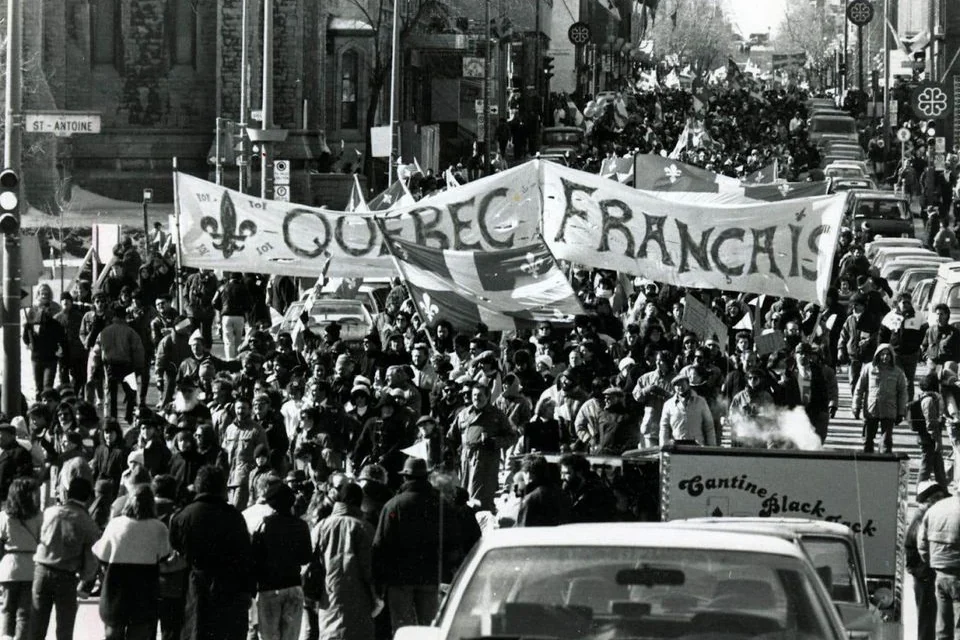
The Quiet Revolution: when Quebec decided to change.
📚 My recommendations
- Book
- Histoire du Québec contemporain, Volume 2: Le Québec depuis 1930 — Paul-André Linteau, René Durocher, Jean-Claude Robert and François RicardA reference work (in French) for understanding the transformation of modern Quebec.
- Documentary
- Le Québec est au monde (1979)A documentary film (in French) by Hughes Mignault on the stakes of the referendum and Quebec’s opening to the world.
- Podcast
- Aujourd’hui l’histoire — Radio-CanadaMany episodes (in French) on the people and defining events of Quebec’s history.
Why this era fascinates me
When we look at Quebec today, we sometimes forget how different our society was just a few generations ago.
The Quiet Revolution of the 1960s is one of the most defining periods in our history. In just a few years, Quebec went through an impressive transformation, moving from a society heavily influenced by the Catholic Church to one that was more secular, modern and forward-looking.
The nationalization of electricity, the creation of the Ministry of Education, major social reforms and the emergence of a new Québécois identity completely redefined our society.
What fascinates me most is seeing how an entire generation managed to transform Quebec so deeply in so little time.
I like understanding the political decisions behind these changes, the people who championed them and the obstacles that had to be overcome.
And above all, realizing that many institutions and gains we now take for granted are the result of decisions made only a few decades ago.
Because to understand today’s Quebec, you also have to understand yesterday’s.